
AI at Work: Why Human-Centred Digital Systems Matter

Digital Systems, AI, and the Risk of Burnout
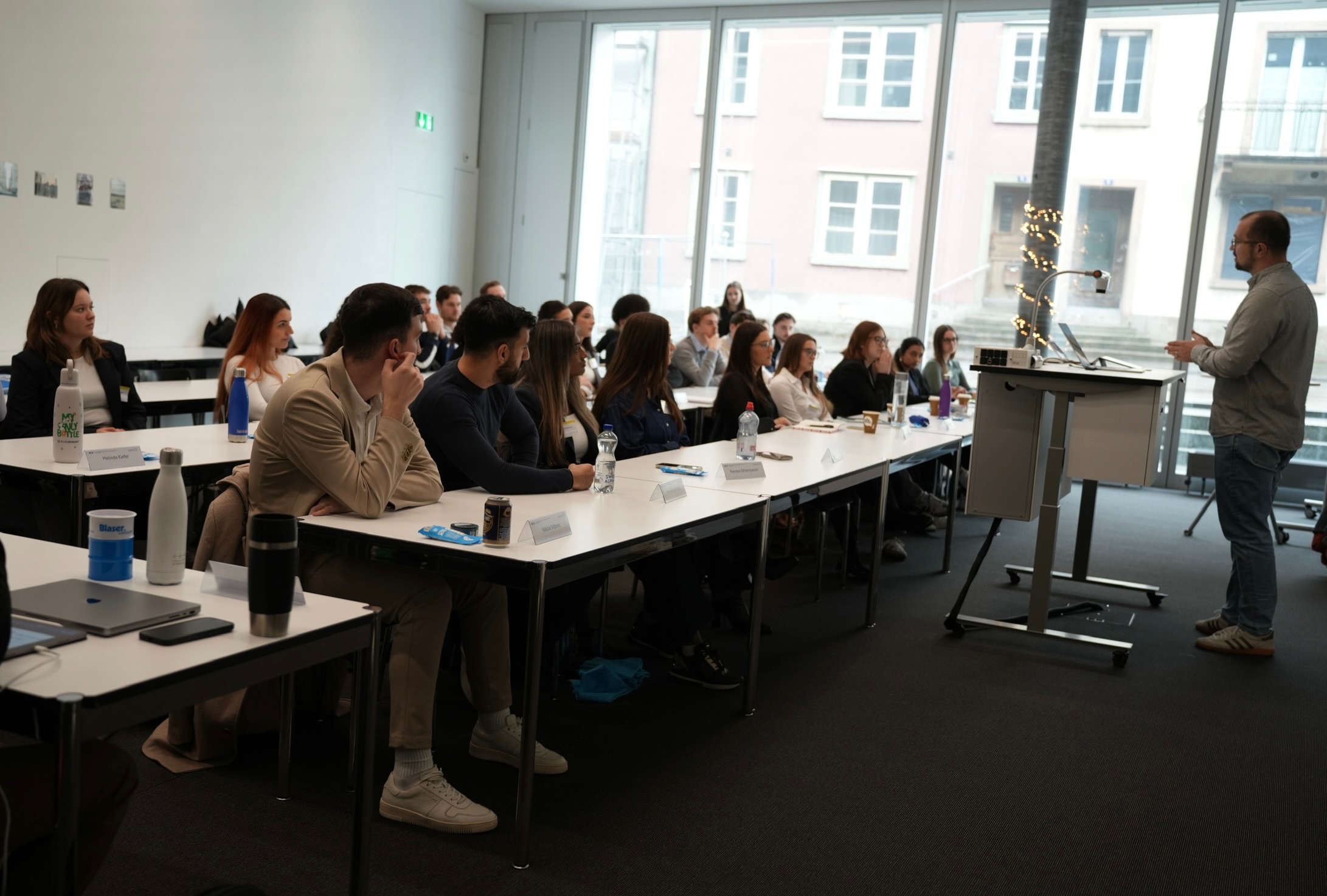
As part of the Seminar in Switzerland, Haris Bešić offered a practical and thought-provoking perspective on “AI at Work: Why Good Digital Systems Support You and Bad Ones Burn You Out”, addressing the role of digital systems and artificial intelligence in modern working environments. Drawing on his experience of building digital platforms and AI-driven tools over the last ten years, he highlighted a central paradox of digitalisation: although technology is intended to increase efficiency, poorly designed systems often lead to stress, overload and burnout.

Digital Burnout: A System Problem, Not an Individual One
To illustrate how tool overload, constant availability and fragmented workflows contribute to digital fatigue, the speaker offered a relatable example of a young professional overwhelmed by an excess of digital tools. Data revealed during the session reinforced this observation, showing that many employees experience burnout symptoms, feel pressured to be constantly online and struggle with overwhelming digital workloads. The key message was clear: digital burnout is rarely caused by individuals. In fact, the reason lies in how systems are designed and implemented.
Human-Centred AI as a Sustainable Approach
A key focus of the presentation was the concept of human-centred AI. Rather than prioritising automation for its own sake, Haris Bešić argued that technology should enhance human capabilities while retaining judgement and responsibility. Human-centred systems are designed to be transparent and user-empowering, ensuring that people remain in control of key decisions and can understand how digital tools operate. This approach contrasts strongly with algorithm-centric systems, which often prioritise output and efficiency at the expense of employee well-being.
Responsible AI in Practice: Healthcare and Recruitment
Concrete examples from the fields of healthcare and recruitment illustrated how responsible AI can be applied in practice. For instance, AI-supported documentation tools can reduce administrative tasks for medical professionals, while bias-audited recruitment systems helpimprove fairness without eliminating the need for human decision-making. In both cases, AI acts as a supporting tool, enabling professionals to focus on meaningful work rather than administrative tasks.
Digital Innovation Cultures: Europe vs. North America
Haris Bešić also addressed the cultural differences in the approach to digital innovation. While Switzerland and the European Union tend to prioritise data protection, regulation and cautious implementation, North American contexts often favour speed, experimentation and rapid scaling up. These contrasting approaches encouraged reflection on how digital systems can balance innovation with responsibility.

Ethical Design and Digital Balance in the Workplace
With regard to the connectUS themes of 'Digital Balance' and 'Conscious Living', the session emphasised that sustainable innovation requires more than just advanced technology. Ethical design choices, clear digital boundaries and a focus on human needs are all essential for developing systems that promote well-being. Mr Bešić provided valuable insights that encouraged all participants to question existing digital structures and recognise their role in creating healthier and more sustainable working environments.
Reach Out & Become a Partner
Contact Us Here
