
A UNESCO Region as a Living Lab for Sustainable Innovation
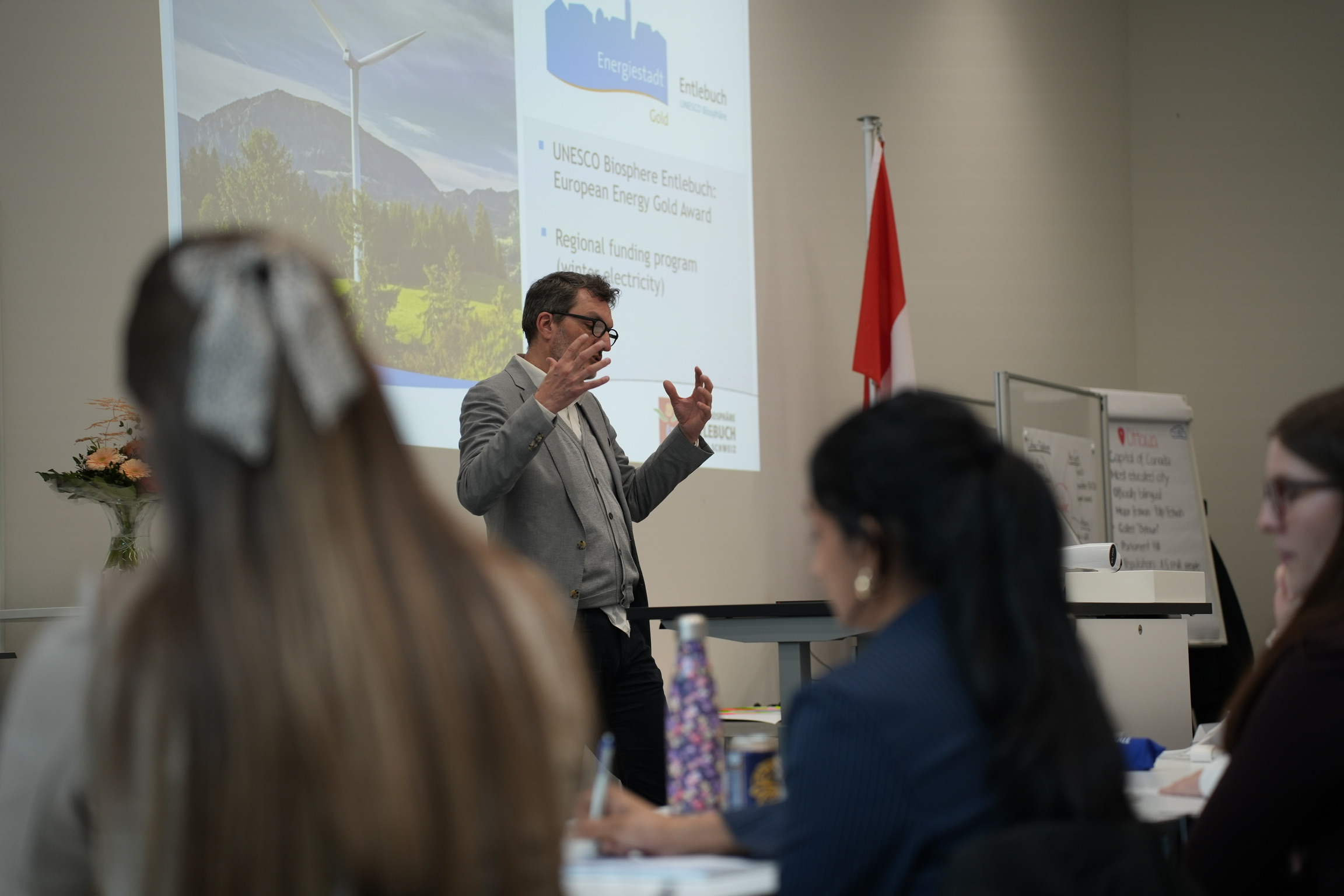
In his lecture on Wednesday, Professor Dr Wolfgang Schatz, Director of the UNESCO Biosphäre Entlebuch, shared valuable insights on how to achieve sustainability in a specific Swiss region.
With around 18,000 inhabitants spread across an area of 394 km², the region shows that even rural and peripheral areas can become pioneers of transformation. It is also known for being the world’s first biosphere reserve to be established by popular vote.
Sustainability as the Region’s Operating System
Rather than presenting abstract frameworks, the presentation demonstrated how a whole region can commit to sustainable development in practice. Seven municipalities, hundreds of farms, local businesses and tourism providers all work together towards a shared vision and future. Sustainability isn’t just an add-on here. It’s the operating system.
An Integrated Model: Protection and Development in Balance
One of the most significant takeaways from the session was the extent to which the approach was integrated. The Biosphere Reserve combines the protection of natural landscapes with economic development and education. It is therefore divided into core, buffer and development zones, enabling strict protection of the pre-alpine moor and karst landscapes. This zoning concept provides clarity for stakeholders and reduces conflicts. Rather than viewing environmental protection and economic growth as opposing forces, Entlebuch designs systems that reinforce each other.

Regional Value Creation Through Conscious Consumption
The theme of conscious consumption was particularly evident in the region's product strategy. Almost 500 authentic regional products are marketed collectively, generating local value and employment opportunities. Through Biosphäre Markt AG, 33 partners distribute 489 certified products, generating an added value of around CHF 15 million and strengthening supra-regional market access.
This approach also shows that sustainability and profitability are not mutually exclusive. Profitability can be achieved when organic production, renewable energy use and local materials are used in harmony, as demonstrated by companies like EMSCHA Dairy Products.
Pathways to Innovation and the Role of Coordination
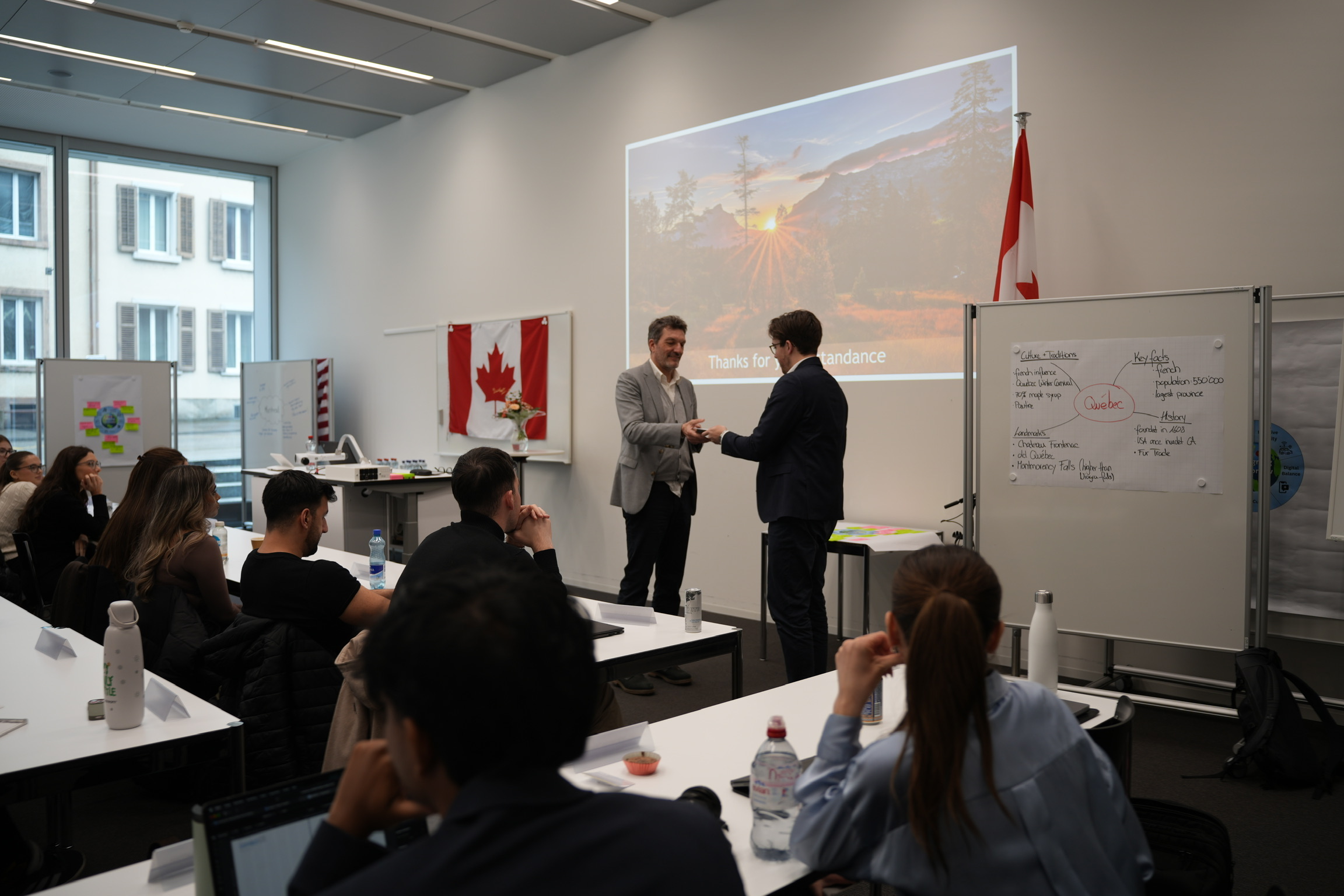
Another central aspect of the lecture was the concept of “pathways” to innovation. A region's UNESCO label does not automatically lead to sustainable change. Instead, innovation can follow different pathways. It can arise locally within the territory, be influenced by the framework of the Biosphere, be implemented through networks, or be driven by the administration itself. The Biosphere acts as a bridging organisation, connecting actors who would otherwise operate separately. This structured coordination transforms isolated initiatives into sustainable impacts. Furthermore, integration into the World Network of Biosphere Reserves enables cross-boundary learning and international knowledge exchange.
Reach Out & Become a Partner
Contact Us Here
